
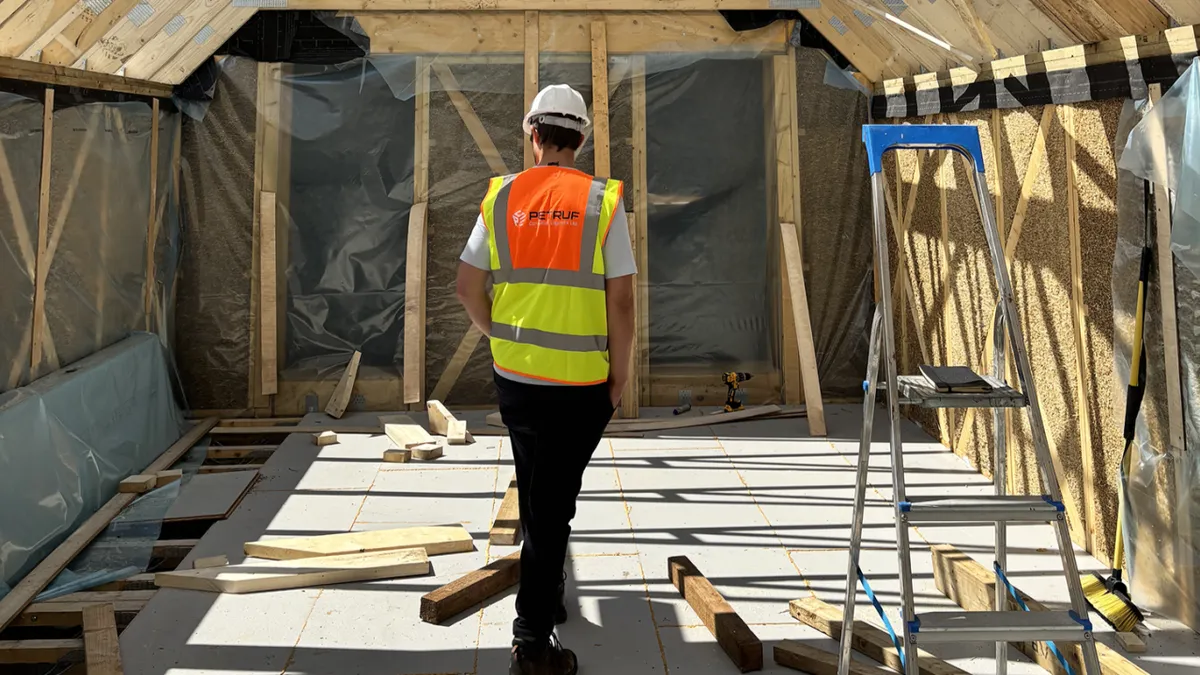
Early involvement of engineers and use of digital tools like BIM are not buzzwords. They are proven methods of preventing costly redesigns, delays, and operational headaches. For directors, understanding how these practices transform budgets, schedules, and risk profiles is critical for high-stakes decision-making.
Why Early Engineering Involvement Matters
- Value engineering at early design stages leads to the greatest impact on total project cost and performance. Not just construction cost, but maintenance and operational expense over the building’s lifecycle.
Studies show savings ofup to 10% in construction phase time and 7% in costare achievable through early contractor and engineer involvement, especially in complex projects.
Digital Workflows and BIM
- BIM adoption provides quantifiable gains: elimination of up to40% of unbudgeted change, cost estimates accurate within3%, and project time improvements ofup to 7%, according to Stanford’s CIFE analysis of 32 major projects.
- Collaborative BIM allows all stakeholders to visualize, analyze, and coordinate project systems in real time, reducing design errors and accelerating decision-making.
Case Studies
- Savannah State University Project:BIM-driven option analysis resulted in a $1.99 million upfront cost saving at pre-design. Directors could virtually walk through scenarios leading to confident, defensible decisions.
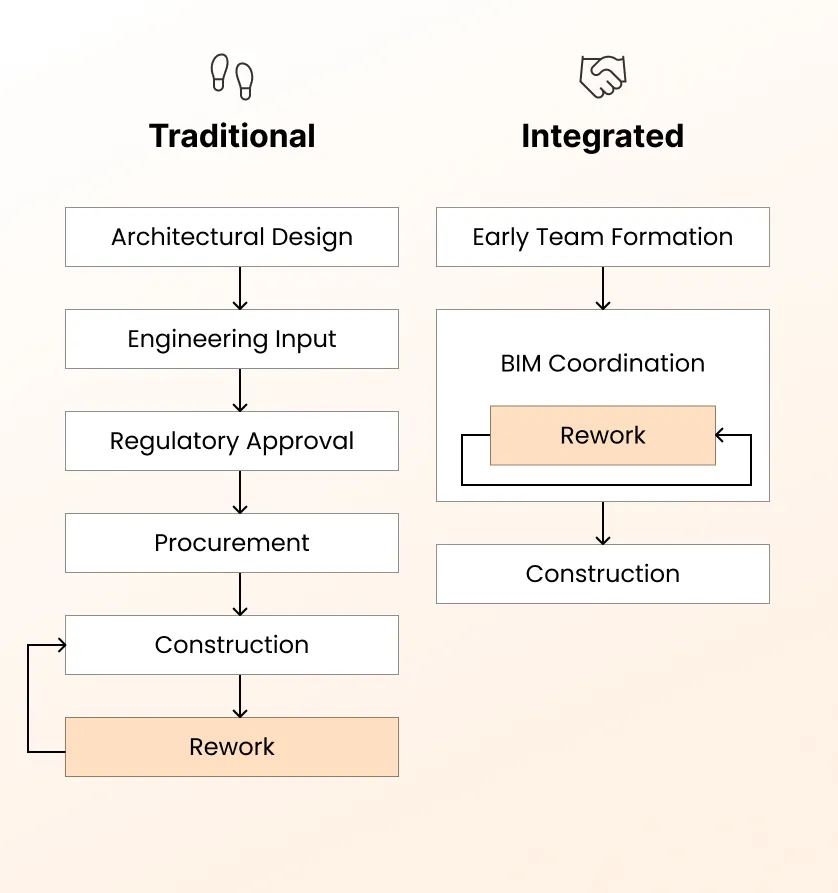
- Early engineering involvement prevents “design clashes” that, left unresolved, drive up change order and claims during construction, as highlighted in leading industry reviews.
How Directors Make It Happen
- Select collaborative, integrated delivery systems, such as Integrated Project Delivery (IPD) or early contractor involvement agreements, to unite all disciplines from project inception.
- Invest in BIM training for teams and mandate digital coordination in contracts to ensure real-time updates and clash detection are used throughout design and construction.

Risk Mitigation and Business Strategy
- Directors who audit regulatory (e.g., water/flood) and technical risks with engineering input from day one avoid approval delays and scope changes, which are leading sources of cost and time overruns.
- Continuous digital monitoring and integrated decision platforms allow for fast course correction and transparent reporting. Key for market and stakeholder confidence.
Why Business-As-Usual Is Ruinous
- Traditional “design–bid–build” sequencing is the main culprit behind most budget overruns, schedule delays, and rework waste. It systematically ignores the value engineers add at the start. Directors must challenge this inertia or risk falling behind competitors who deliver projects faster, cheaper, and with fewer claims.
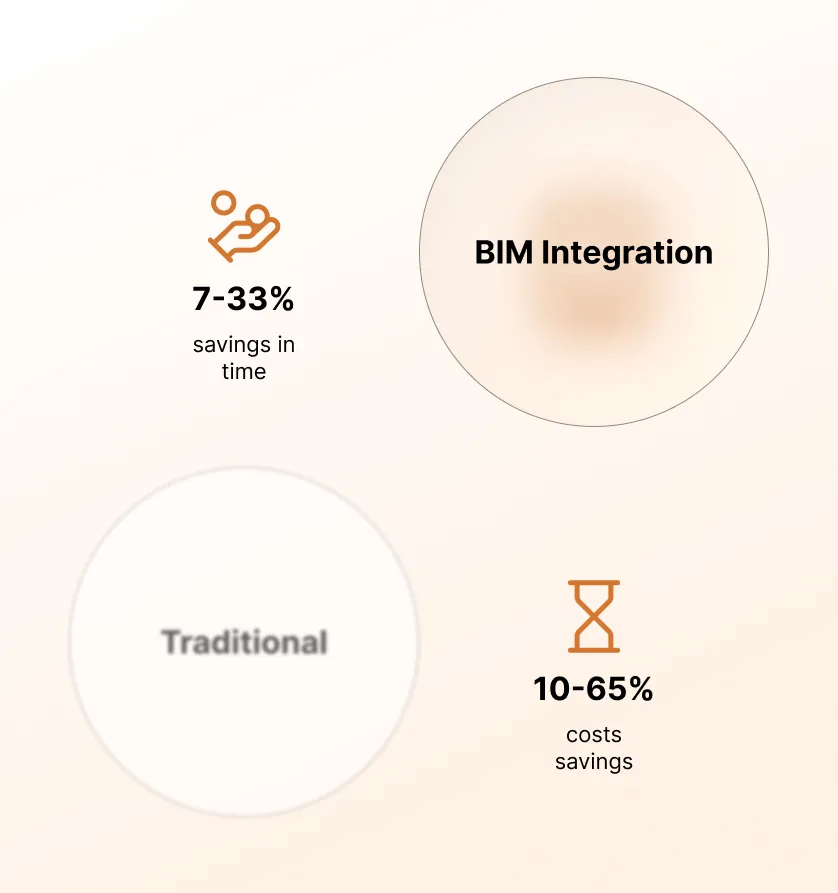
Directors who engage engineers and embrace digital tools from the outset build projects that are faster to market, cheaper to run, and easier to manage. Providing strategic advantages their less progressive competitors miss. The industry data and case studies make this not just plausible, but proven.
Sources
- Case Study - Building Information Modeling (BIM)
- Early Contractor Involvement (ECI) in Precast Concrete Projects


