
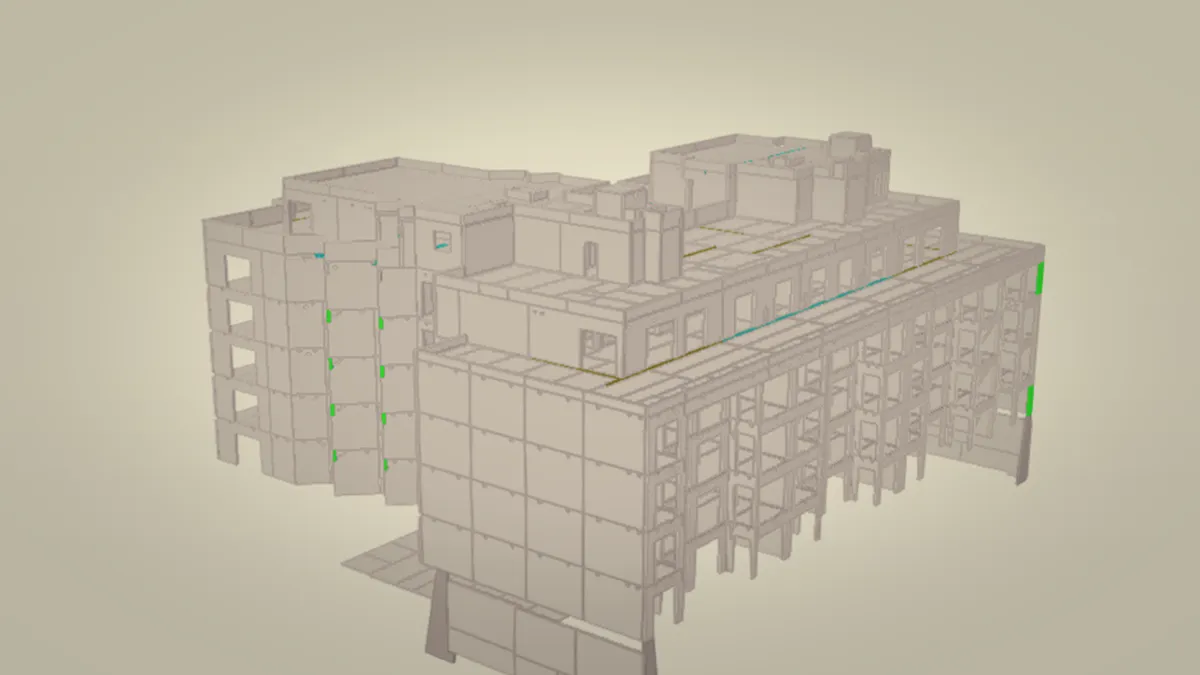
Procurement is often treated as a back-office function, something to”worry about later”. But leaving procurement decisions until the last minute is one of the most consistent, destructive mistakes in construction and real estate. This procrastination does not simply create inconvenience; it triggers a ripple effect of cost overruns, schedule chaos, and lost trust up and down the project chain.
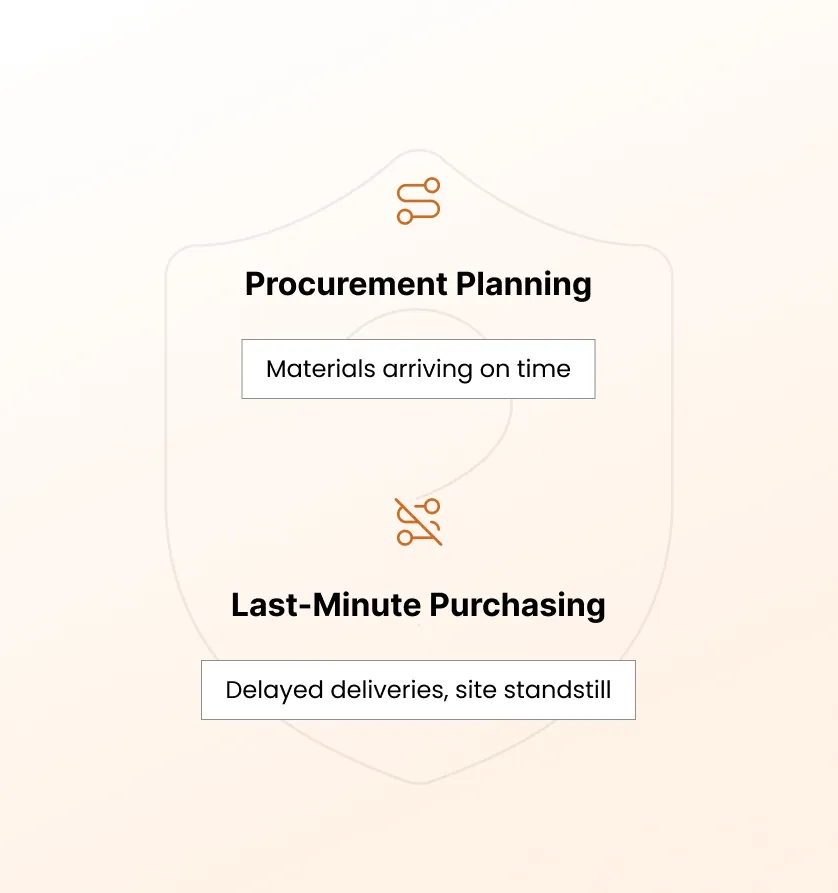
Why Late Procurement Happens
It’s easy to blame late procurement on market volatility, delayed design, or decision paralysis at the top. Many directors convince themselves these delays are inevitable:“everyone else is behind too”or believe fast-tracking choices will”catch up” later. In reality, kicking the can on procurement is a management decision that silently raises risks for the entire project.

The Scathing Consequences of Last-Minute Procurement
1. Cost Blowouts and Budget Erosion
- Loss of negotiating power, suppliers recognize desperation and increase prices accordingly.
- Rush orders and expedited shipping add premiums of 20-40% over planned procurement costs, quickly obliterating original budgets.
- Higher risk of errors aka hasty selections, missing materials, and poor substitutions lead to expensive rework and waste.
2. Schedule Meltdowns
- Lead time crunches that even standard items can take weeks or months to deliver; last-minute orders delay every dependent activity.
- Site standstills when key trades and laborers are left idle waiting for materials or equipment. Wasting payroll and blowing critical-path deadlines.
- Cascading delays even one late item can knock out an entire sequence, escalating to late handovers, missed revenue, and liquidated damages.
3. Loss of Supplier Trust and Quality
- Reduced supplier commitment means that reliable partners deprioritize working with crisis-prone clients in favor of better-planned, repeat business.
- Compromised quality when we are forced to scramble, teams may accept off-spec or lower-quality materials just to hit a milestone.
4. Project Reputation and Stakeholder Frustration
- Client frustration and explanations about “supply chain chaos” don’t satisfy clients who have heard it before.
- Team morale where field teams lose trust in leadership and in schedules, fueling disengagement or turnover
Data and Industry Evidence
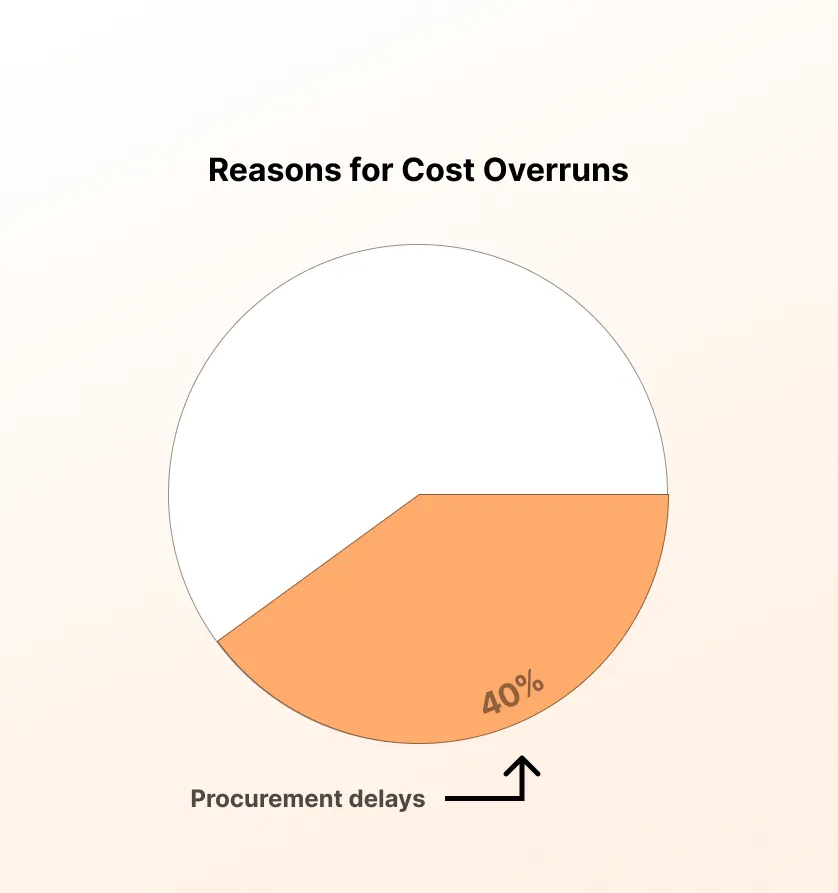
According to recent construction market studies, up to85% of projects experiencing major overruns cite late procurement as a leading cause.
- Rush procurement has, on average, increased overall project costs by 15% and added 8% more time to schedules in the last two years alone.
- Major infrastructure and private sector builds have seen direct losses in millions when strategic packages weren’t secured on time, resulting in productivity losses and failed milestones.
How to Escape the Last-Minute Trap
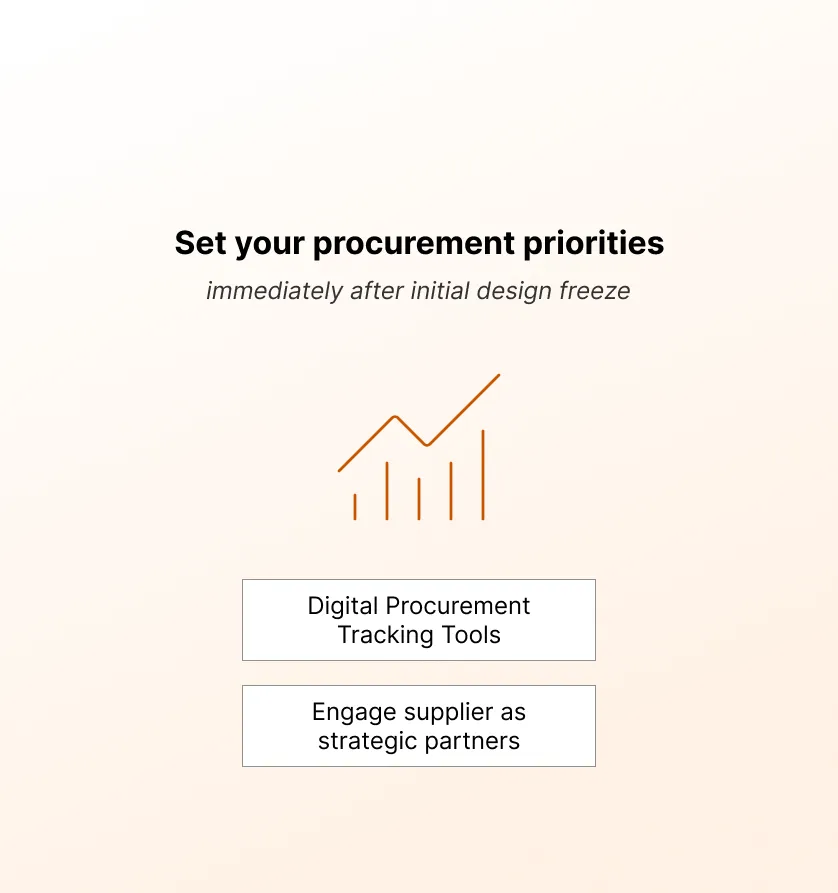
- Set procurement priorities immediately after initial design freeze.
- Use digital procurement tracking tools for early warning on lead times and availability.
- Build in real contingency, but recognize that no reserve can offset systemic procrastination.
- Engage suppliers as strategic partners by involving them as soon as specifications are available.
MMC Irelandhighlights that reforming procurement policies toprioritise MMCand accelerating BIM mandates are vital steps for the industry. Early and integrated procurement decisions enable better digital coordination and off-site construction adoption.
MMC Ireland article in Building Ireland Magazine
Pretending procurement can be backloaded is a shortcut to project disaster. The directors and teams that win in today’s volatile construction market are those who make procurement a front-line, strategic activity.
Delay may feel easy now, but the price is always higher in cost, schedule, and reputation.
Source - cited article


